Choosing new window treatments is rarely as simple as picking a color or a price point. Homeowners weighing plantation shutters vs blinds are really asking a bigger question: do I want a fixture that solves my window needs for a season, or one that solves them for decades? Both options control light and offer privacy, but they differ significantly in materials, upkeep, cost structure, and how they affect a home’s value over time.
This guide breaks down the practical differences so you can make a decision based on how you actually live in your home, not just what looks good in a showroom photo.
What Are Plantation Shutters?
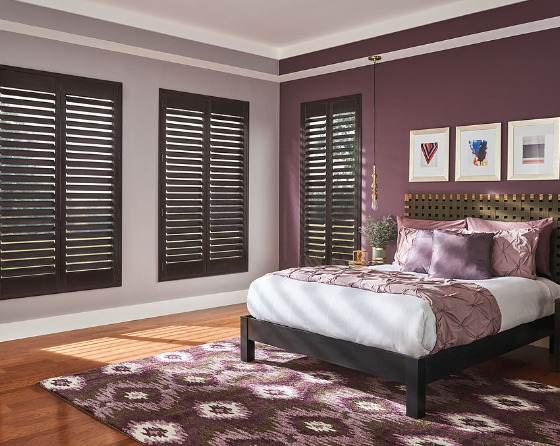
Plantation shutters are solid, hinged panels made of wood or wood composite materials, fitted directly into the window frame. Their defining feature is the louver, a wide slat that tilts to adjust light and airflow. Unlike blinds, which hang from a headrail and move as a single unit, shutters are built into the architecture of the window itself, functioning more like a permanent fixture than a removable accessory.
Because they are custom fitted to each window, plantation shutters tend to have a cleaner, more tailored appearance. This is part of why they are frequently associated with a classic window treatment look that suits both traditional and contemporary homes.
What Are Blinds?
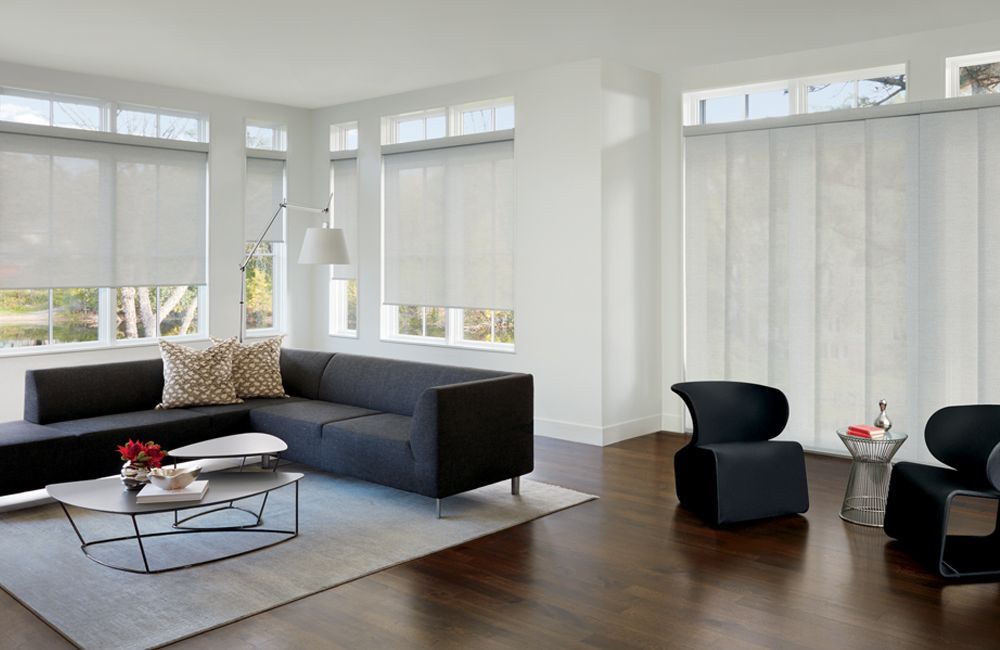
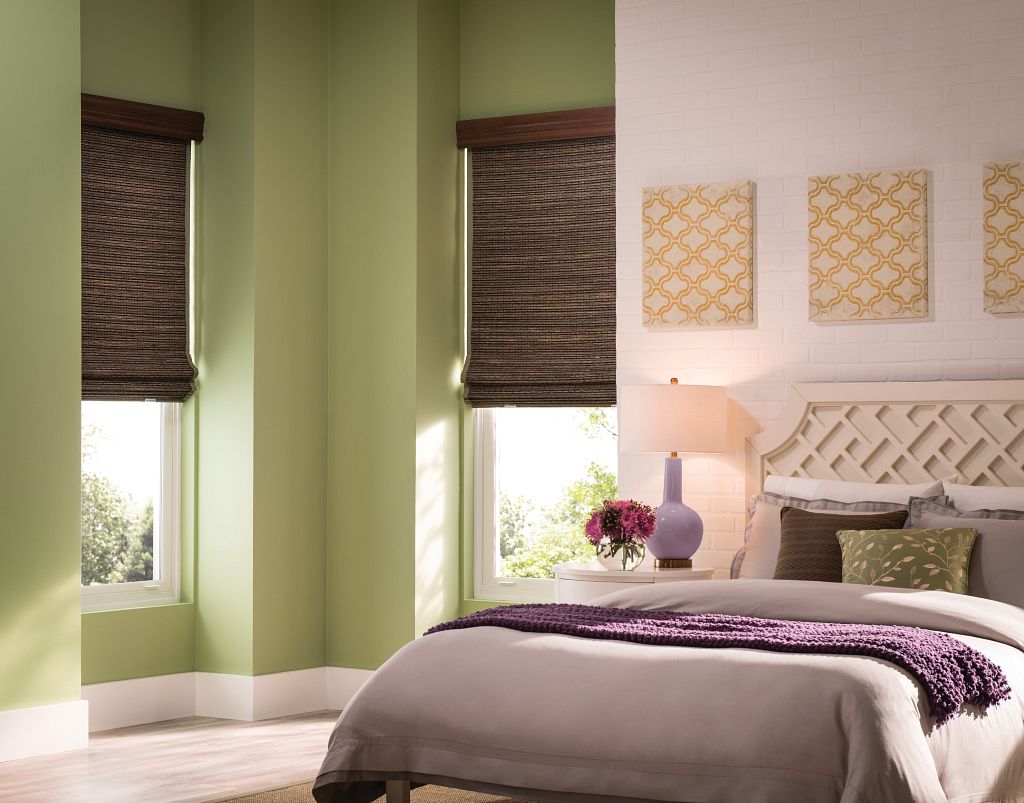
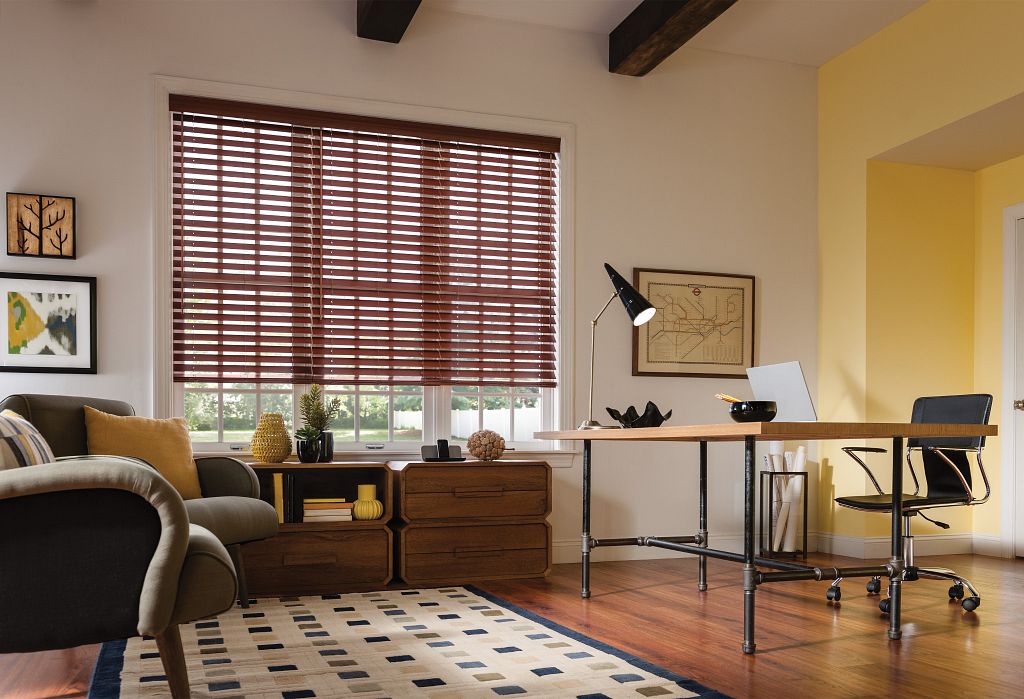
Blinds are lightweight window coverings made from horizontal or vertical slats, usually aluminum, vinyl, or faux wood, connected by cords or a wand mechanism. They mount above the window frame and can be raised, lowered, or tilted to manage light.
Blinds are widely available, come in a large range of price points, and can be installed relatively quickly. For homeowners who need a fast, budget-conscious solution, blinds are often the first product they consider.
Plantation Shutters vs Blinds: Key Differences
Light Control and Privacy
Both products allow you to adjust how much light enters a room, but the mechanics differ. Wood shutter louvers are typically wider than blind slats, which means fewer adjustments are needed to get the light level you want, and there is less gapping between slats when closed. This tends to result in more even light diffusion and fewer harsh lines across the room.
Blinds, particularly narrow-slat aluminum or vinyl versions, can let in more light through the gaps even when closed, and the cords or wands used to operate them can wear out or tangle over time, which affects how precisely they control light.
Durability and Materials
This is where the difference between the two products becomes most apparent. Plantation shutters are built from solid wood or engineered wood composite, materials chosen for their rigidity and resistance to warping. A well-made shutter, properly maintained, can last several decades without needing replacement.
Blinds are generally made from thinner, lighter materials. Aluminum blinds can bend or dent, vinyl can warp in direct heat, and the string or cord mechanisms are prone to fraying or breaking with regular use. Most blinds have a functional lifespan of five to ten years before they need to be replaced.
Cost Considerations
Blinds usually cost less upfront, which makes them appealing for renters, temporary housing situations, or homeowners working with a tight budget on a large number of windows. Plantation shutters carry a higher initial investment because they are custom built and professionally installed.
However, the cost comparison changes when you look at it over time. If blinds need replacing every seven to ten years and shutters can last twenty years or more with minimal maintenance, the long-term cost per year of ownership often favors shutters, especially in homes where the owner plans to stay for a long period.
Maintenance
Shutters require occasional dusting and, depending on the material, an occasional wipe down. There are no cords to manage, no strings to replace, and the solid panel design means less dust accumulation compared to the many narrow slats found on blinds.
Blinds accumulate dust along each slat and in the cord mechanism, requiring more frequent cleaning to keep them looking fresh. Cords and wands are also mechanical parts that can fail and typically cannot be repaired, only replaced.
Resale Value
This is a factor that often gets overlooked during the buying process but matters significantly if you plan to sell your home eventually. Real estate agents and appraisers frequently note that plantation shutters are viewed as a permanent architectural feature, similar to built in cabinetry, rather than a removable window covering. This perception can contribute positively to resale value and how a home is presented during showings.
Blinds, by contrast, are generally treated as a consumable item, something a new owner might replace regardless of condition, similar to how carpet or paint gets updated between owners.
Side by Side Comparison
| Feature | Plantation Shutters | Blinds |
|---|---|---|
| Material | Solid wood or wood composite | Aluminum, vinyl, or faux wood |
| Average lifespan | 20+ years | 5 to 10 years |
| Light control | Wide louvers, minimal gapping | Narrow slats, more light leakage |
| Maintenance | Occasional dusting | Regular cleaning of slats and cords |
| Upfront cost | Higher | Lower |
| Long-term cost | Lower cost per year | Higher due to replacement cycles |
| Resale value impact | Often viewed as a home feature | Often viewed as replaceable |
| Installation | Custom fitted, professional install | Standard sizes, quicker install |
When Blinds Might Still Make Sense
Plantation shutters are not the right fit for every situation, and it would be misleading to suggest otherwise. Blinds can be a reasonable choice for rental properties where the owner does not want to invest in a permanent fixture, for rooms with irregular or unusual window shapes where custom shutters would carry a significant premium, or for homeowners who expect to move within a few years and are not looking to recoup a larger investment through resale.
When Plantation Shutters Are the Stronger Investment
If you are staying in your home for the long term, plantation shutters generally offer better value across the categories that matter most: durability, light control, and how the home is perceived by future buyers. They also tend to suit a wider range of interior styles since the louvers and frame can be finished to match existing trim and cabinetry, giving the window a built in, cohesive look rather than an accessory that was added on afterward.
For homeowners specifically interested in the material differences between wood and composite options, it is worth reviewing how solid wood and engineered wood compare in terms of grain, finish, and moisture resistance depending on the room. Bathrooms and kitchens, for example, often benefit from composite materials that resist humidity, while living rooms and bedrooms are well suited to natural wood for its warmth and finish options.
Making the Decision for Your Home
There is no single right answer for every household. The decision largely comes down to how long you plan to stay in the home, your budget for the current year versus the next decade, and how much weight you place on resale value. A straightforward way to approach it is to ask three questions:
- How many years do I expect to live in this home?
- Am I prioritizing the lowest cost today, or the lowest cost over time?
- Does this window treatment need to hold up under daily use for one household, or should it be built to last through a future sale?
If your answers lean toward longevity, consistent light control, and a treatment that adds to the home rather than simply covering the window, plantation shutters are worth the additional upfront investment and a closer look at the styles and finishes available for your windows.
Final Thoughts
Both plantation shutters and blinds serve the basic function of controlling light and privacy, but they are built for different priorities. Blinds offer a lower upfront cost and faster installation, while plantation shutters are constructed to last, require less ongoing maintenance, and tend to hold their value as a long term feature of the home.
If you are weighing plantation shutters vs blinds for your own home and want a closer look at materials, finishes, or pricing based on your specific windows, The Window Design Studio can walk you through the options in detail. Contact us to schedule a consultation and get a clearer picture of what will work best for your space and budget.
Frequently Asked Questions
Are plantation shutters worth the extra cost compared to blinds?
For homeowners planning to stay in their home for several years or more, plantation shutters typically offer better value over time due to their longer lifespan, lower maintenance needs, and positive impact on resale value.
Do plantation shutters block more light than blinds?
Plantation shutters use wider louvers that close with minimal gapping, which generally provides more consistent light control than the narrower slats found on most blinds.
How long do plantation shutters typically last?
Well built plantation shutters made from solid wood or quality composite materials can last twenty years or longer with basic maintenance, compared to five to ten years for most blinds.
Do plantation shutters increase home value?
Plantation shutters are often viewed as a built in architectural feature rather than a removable window covering, which can positively influence how a home is perceived during a sale.
Can plantation shutters be used in bathrooms and kitchens?
Yes, composite or vinyl shutter materials are designed to resist moisture and humidity, making them a practical option for bathrooms, kitchens, and other high moisture rooms.
Are blinds easier to install than shutters?
Blinds are generally quicker to install since they come in standard sizes and mount above the window frame, while shutters are custom fitted and typically require professional installation.