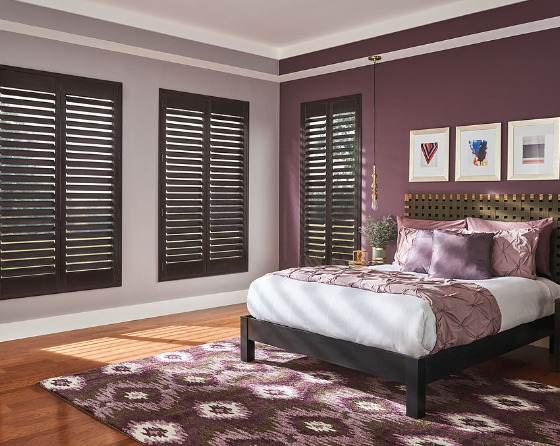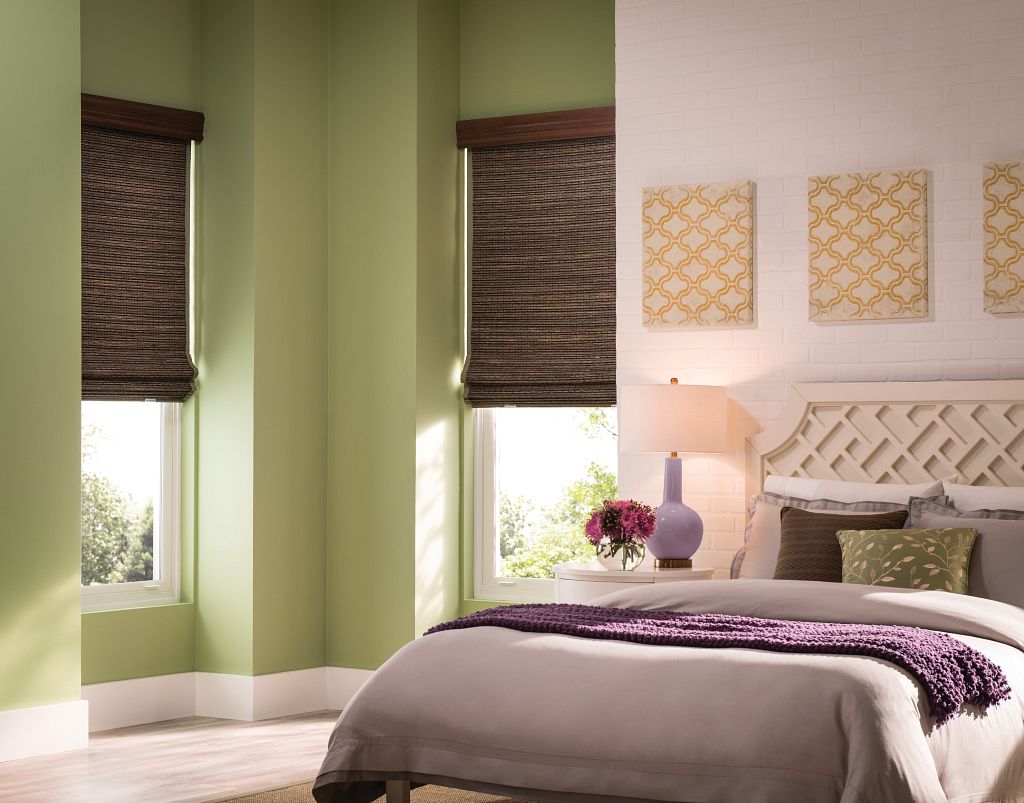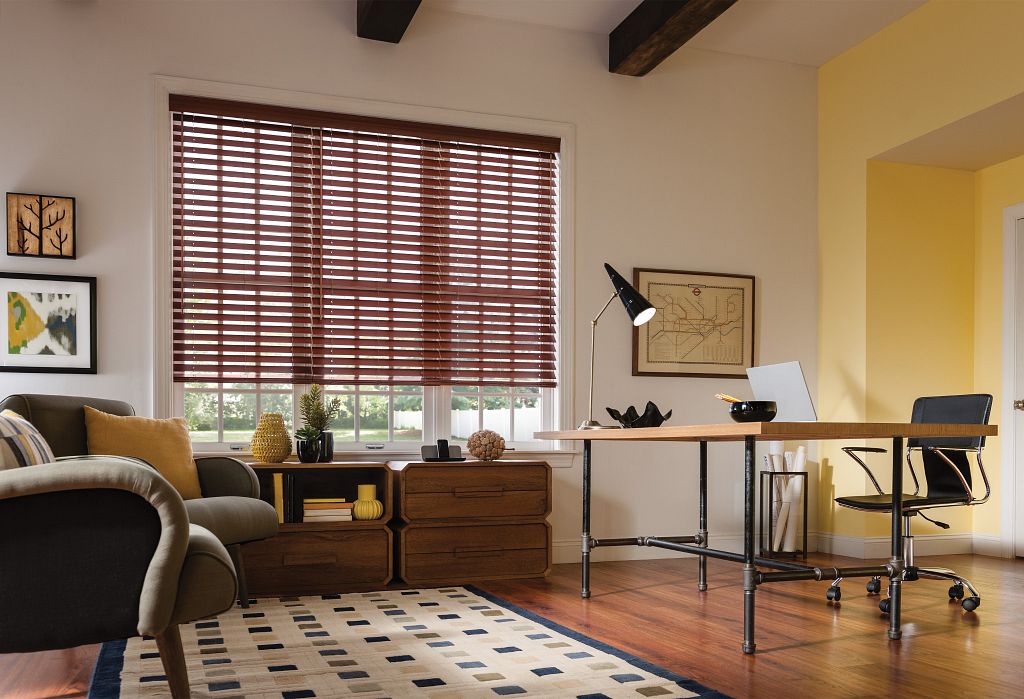
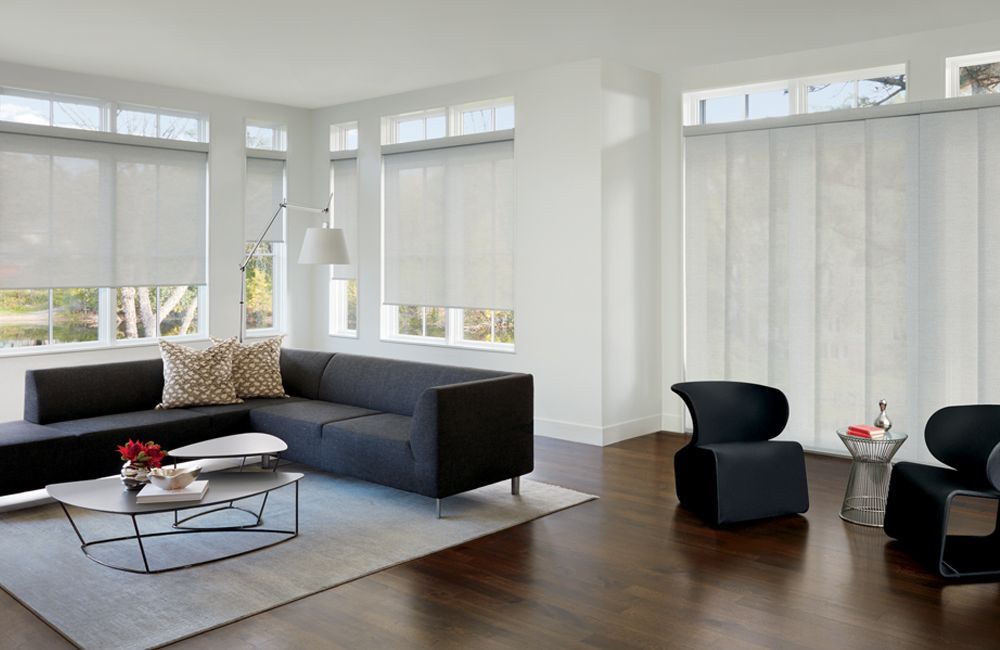

If you have ever stood in a home improvement aisle staring at rows of window coverings, you have probably asked yourself the same question thousands of homeowners search for every month: shades vs blinds, what’s the difference? The terms get used interchangeably so often that it is easy to assume they mean the same thing. They do not. Shades and blinds are built differently, operate differently, and suit different rooms and lifestyles.
This guide breaks down exactly how shades and blinds differ, compares them across the factors that matter most, including light control, privacy levels, and tilt control, and helps you decide which window covering type fits your home.
What Are Blinds?
Blinds are a window covering type made from individual horizontal or vertical slats, usually crafted from wood, faux wood, aluminum, or vinyl. Each slat is connected by cords or a wand, allowing the slats to tilt open or closed. This is where tilt control comes in: rotating the slats lets you adjust the angle of incoming light without raising or lowering the entire covering.
Because the slats can be angled rather than fully opened or closed, blinds give you more granular control over how much light enters a room at any given moment. They also tend to be more affordable than many shade options and are widely available in standard and custom sizes.
Common blind types include:
- Venetian blinds, with horizontal slats
- Vertical blinds, often used for sliding doors and large windows
- Mini blinds, a slimmer version of the classic horizontal style
- Faux wood blinds, a moisture-resistant alternative to real wood
Material choice matters as much as style. Aluminum and vinyl slats hold up well in humid rooms, while wood and faux wood options tend to suit living spaces where appearance is a bigger priority.
What Are Shades?
Shades are made from a single piece of continuous fabric rather than individual slats. Instead of tilting open, shades typically raise and lower as one unit, folding, rolling, or stacking depending on the style. This is the core slats vs fabric distinction that separates shades from blinds.
Popular shade styles include:
- Roller shades, which wind up around a tube at the top of the window
- Cellular or honeycomb shades, built with air-pocket cells for insulation
- Roman shades, which fold into soft horizontal pleats as they rise
- Solar shades, designed to filter UV rays while preserving outdoor views
Because shades are made of fabric, they come in a much wider range of textures, patterns, and opacities than blinds. This makes them a popular choice for homeowners who want their window coverings to double as a design element rather than a purely functional fixture.
Shades vs Blinds: Key Differences at a Glance
The table below summarizes the main distinctions between shades and blinds so you can compare them side by side.
| Feature | Blinds | Shades |
|---|---|---|
| Construction | Individual slats (wood, faux wood, aluminum, vinyl) | Continuous piece of fabric |
| Light control | Adjustable via slat tilt control | Adjustable by raising or lowering fully or partially |
| Privacy levels | Moderate; gaps possible between slats | Generally higher; fabric blocks sightlines more evenly |
| Operation | Tilt wand or cord, plus raise and lower | Raise and lower only, cordless or motorized options common |
| Material variety | Limited to slat materials | Wide range of fabrics, weaves, and opacities |
| Insulation | Lower, especially aluminum or vinyl | Higher, particularly cellular shades |
| Typical cost | Often lower | Varies, can be higher depending on fabric and style |
| Maintenance | Easy to wipe down slat by slat | Depends on fabric, some require spot cleaning |
Light Control: How Shades and Blinds Compare
Light control is one of the biggest factors people weigh when comparing shades vs blinds. With blinds, tilt control lets you angle the slats to let in a sliver of light or block it out almost entirely, all without raising the blind itself. This makes small adjustments throughout the day simple, particularly in rooms where sunlight shifts with the seasons.
Shades handle light differently. Since they are a single piece of fabric, most light control comes from raising or lowering the shade, or from choosing a fabric opacity, such as sheer, light-filtering, or blackout. Some shade styles, like top-down bottom-up cellular shades, offer a middle ground by letting light in from the top of the window while keeping the bottom covered for privacy.
Neither approach is objectively better. Blinds offer more moment-to-moment flexibility, while shades offer more consistent, even light diffusion depending on the fabric chosen.
Privacy Levels: Which Offers More Coverage
Privacy levels are another area where the slats vs fabric difference becomes noticeable. Blinds, especially when the slats are only partially tilted, can leave small gaps that allow sightlines from outside, particularly at night when interior lights are on. Fully closed blinds do provide solid privacy, but the slat structure means there is always a small amount of light or visibility bleeding through the edges.
Shades, particularly blackout or room-darkening styles, tend to offer more even and complete coverage since there are no slats or gaps to work around. For bedrooms, bathrooms, or street-facing windows where privacy is a priority, many homeowners lean toward shades or opt for blinds with tighter slat spacing.
Which Window Covering Type Is Right for Your Room?
Choosing between shades and blinds often comes down to the specific room and how it is used.
Living Rooms and Common Areas
Living rooms benefit from flexible light control throughout the day. Blinds with tilt control work well here, letting you adjust brightness without fully closing off the view. Shades in light-filtering fabrics are also a strong option if you want a softer, more decorative look.
Bedrooms
Since privacy and light blocking matter most at night, blackout shades or cellular shades are common choices for bedrooms. Blinds can work too, especially paired with curtains, but shades generally offer more consistent darkness for sleeping.
Kitchens and Bathrooms
Moisture resistance is important in these spaces. Faux wood or aluminum blinds hold up well against humidity and are easy to wipe clean. Certain synthetic shade fabrics also resist moisture, but slat-based blinds remain a practical, low-maintenance choice for kitchens and bathrooms.
Home Offices
For rooms where reducing glare on screens matters, adjustable blinds with tilt control allow precise light management throughout the workday. Solar shades are another option, as they filter harsh sunlight while maintaining a clear outdoor view.
Maintenance and Durability
Blinds are generally straightforward to maintain since each slat can be wiped down individually with a cloth or duster. Materials like aluminum and faux wood are especially durable and resistant to warping from humidity.
Shades vary more in maintenance needs depending on fabric. Woven or textured shades may require occasional vacuuming or professional cleaning, while smoother roller shade fabrics can usually be wiped down with a damp cloth. Cellular shades, due to their pleated structure, can be slightly more time-consuming to clean thoroughly but offer strong insulation in return.
Cost Considerations
Pricing for both shades and blinds depends heavily on material, size, and whether the covering is standard or custom-fitted. As a general pattern, basic aluminum or vinyl blinds tend to sit at the more affordable end of the spectrum, while wood blinds and higher-end shade fabrics, such as natural woven materials or motorized cellular shades, can cost more. It is worth comparing options based on the specific window dimensions and features you need, such as cordless lift systems or motorization, rather than assuming one category is always cheaper than the other.
Making Your Final Decision
There is no single answer to the shades vs blinds question that applies to every home. The right choice depends on how much light control you want, how important privacy levels are for a given room, your budget, and the overall style you are going for. Some homeowners even mix both, using blinds in high-traffic or moisture-prone areas and shades in bedrooms or living spaces where they want a softer aesthetic and more complete light blocking.
Measuring your windows accurately and considering how each room is used throughout the day will help narrow down whether slats or fabric, blinds or shades, makes more sense for your space.
In Conclusion
Understanding the difference between shades and blinds comes down to construction, light control, and privacy levels rather than personal preference alone. Blinds, with their adjustable slats and tilt control, suit rooms where flexible daily adjustments matter most. Shades, made from continuous fabric, tend to offer more even privacy and a broader range of styles and textures. Neither option is universally better, and the right pick depends on the room, your budget, and how you use the space day to day.
For homeowners weighing shades against blinds for their own windows, The Window Design Studio offers a range of window covering types to compare in person or virtually. If you would like guidance on which option fits your specific windows and rooms, contact us to talk through your options with the team.
Frequently Asked Questions
Are shades or blinds better for light control?
Blinds generally offer more precise, moment-to-moment light control thanks to tilt control on the slats. Shades offer control mainly through raising, lowering, or choosing a specific fabric opacity.
Which offers more privacy, shades or blinds?
Shades, particularly blackout or room-darkening styles, typically provide more even privacy since there are no slats or gaps. Blinds can offer strong privacy when fully closed, but partially tilted slats may leave small gaps.
Can I use shades and blinds in the same house?
Yes. Many homeowners mix window covering types by room, choosing blinds for kitchens or bathrooms where moisture resistance matters and shades for bedrooms or living rooms where softer light diffusion or blackout coverage is preferred.
Do blinds or shades last longer?
Durability depends on material rather than category alone. Aluminum and faux wood blinds tend to hold up well against humidity and daily wear, while shade durability varies by fabric type. Both can last many years with proper care.
Are shades more expensive than blinds?
Not always. Basic blinds are often more affordable, but pricing depends on material, size, and features like motorization or cordless lift systems. Some shade fabrics are comparably priced to mid-range blinds.
What is the difference between shades and curtains?
Shades are typically fitted to the window frame and made from a single piece of fabric that raises and lowers. Curtains hang from a rod and are usually drawn open or closed by sliding fabric panels along the sides of the window, rather than lifting vertically.